Launch Political Tech Sites Fast: Deploy Secure Advocacy Platforms
Master rapid deployment of secure, scalable political websites. Learn AI moderation, CMS setup, and monetization strategies for high-traffic advocacy campaigns.

Launch Political Tech Sites Fast: Deploy Secure Advocacy Platforms
Building a political website that can handle high traffic, withstand scrutiny, and maintain credibility requires more than just basic hosting. Modern advocacy campaigns demand platforms that combine speed, security, and intelligent content management. Whether you're launching a grassroots movement, supporting a candidate, or building a policy advocacy site, the technical foundation matters as much as your message. This guide walks you through deploying a production-ready political tech site in hours, not weeks. You'll learn how to implement AI-powered content moderation that flags problematic content before it damages your reputation, set up scalable infrastructure that grows with your audience, and monetize responsibly without compromising your mission. By the end, you'll have a blueprint for launching sites that earn trust through transparency and technical excellence.
Choosing Controversy-Proof Hosting for Political Websites
Your hosting choice determines whether your site survives viral moments or crashes under pressure. Political websites face unique challenges: sudden traffic spikes from news cycles, potential DDoS attacks, and heightened scrutiny from multiple stakeholders. Traditional shared hosting won't cut it. You need infrastructure designed for resilience and transparency. Vercel, Netlify, and AWS offer the scalability required for political campaigns, but they differ in their approach to content policies and uptime guarantees. Vercel enables deployment in under 2 hours with automatic scaling and built-in CDN distribution across global edge networks. This means your site stays fast whether you're reaching 1,000 or 1 million visitors. AWS provides more granular control for teams needing custom configurations, while Netlify offers a middle ground with excellent developer experience. The key is choosing a provider with clear terms of service regarding political content and transparent abuse policies. Avoid hosts with vague content restrictions that could lead to sudden takedowns. Document your hosting choice and backup strategy—political sites should maintain redundancy across multiple providers.
Infrastructure Requirements for High-Traffic Campaigns
Political websites must handle unpredictable traffic patterns. A single viral post can generate 100x normal traffic within hours. Your infrastructure needs auto-scaling capabilities that activate without manual intervention. Content Delivery Networks (CDNs) are non-negotiable—they cache your content globally, ensuring fast load times regardless of visitor location. Implement geographic redundancy so that if one region experiences issues, traffic routes to backup servers. Database selection matters too. PostgreSQL with read replicas handles concurrent requests better than single-instance databases. For real-time features like live comment feeds or donation tracking, consider managed services like Firebase or Supabase that scale automatically. Budget for DDoS protection, especially if your campaign is controversial. Services like Cloudflare provide enterprise-grade protection without requiring infrastructure changes.
Security and Compliance from Day One
Political websites handle sensitive data: donor information, volunteer details, and user communications. GDPR compliance isn't optional—it's legally required if you reach European audiences. Implement SSL/TLS encryption immediately (all modern hosts provide free certificates). Set up automated backups with geographic distribution so you can recover from any incident. Enable two-factor authentication for all admin accounts. Use environment variables for API keys and secrets, never hardcode them. Implement rate limiting to prevent brute force attacks. Regular security audits catch vulnerabilities before attackers exploit them. Consider hiring a security firm for penetration testing before launch, especially if your campaign is high-profile.
Real-Time Moderation with AI Content Filtering
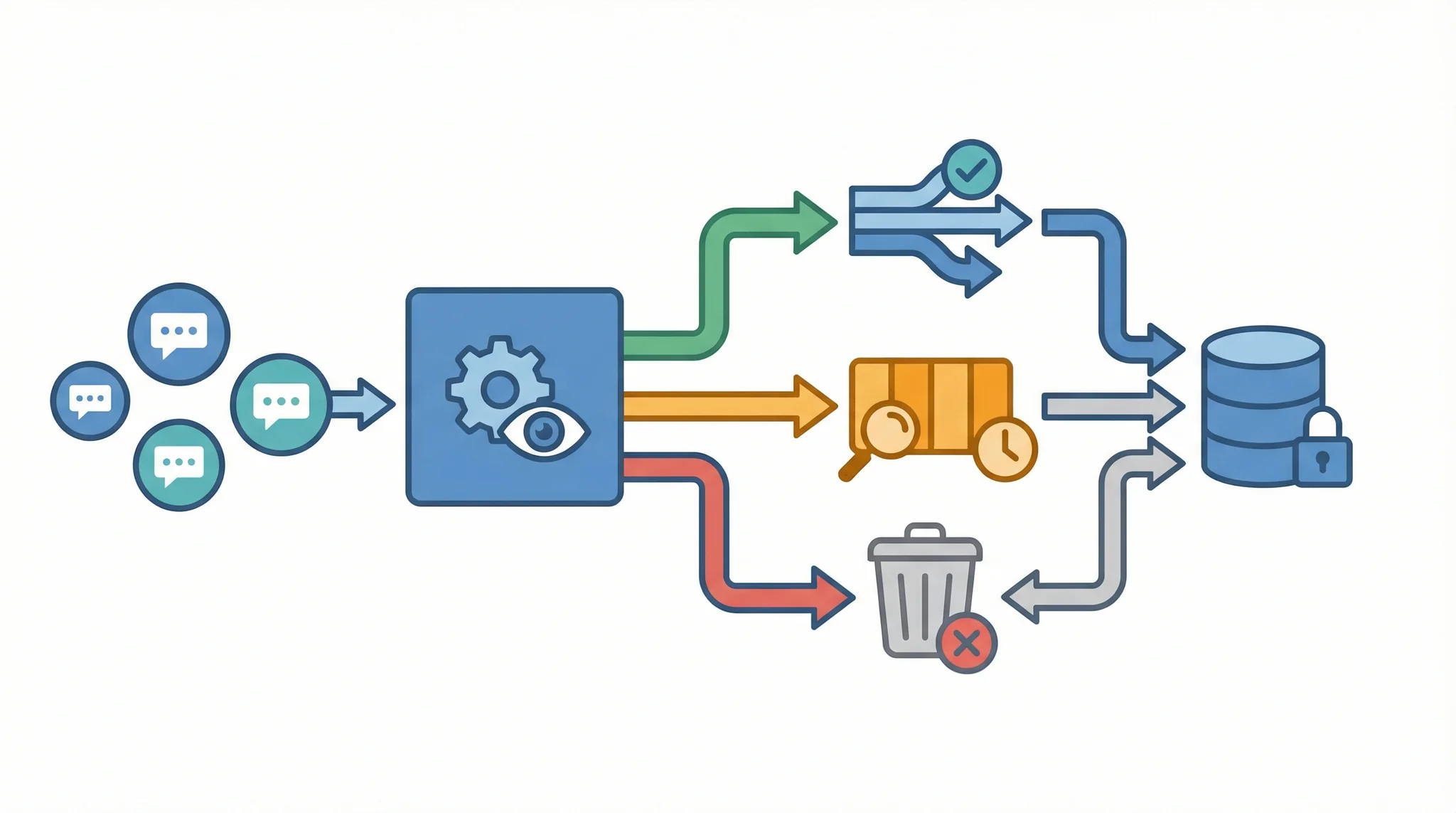
Content moderation at scale is impossible without AI assistance. Human moderators cannot review thousands of comments daily while maintaining consistency and fairness. Modern AI systems can flag 95% of toxic comments automatically, reducing your moderation team's workload to reviewing edge cases and appeals. However, AI moderation requires careful implementation to avoid censoring legitimate political speech. The challenge isn't building a system that removes everything—it's building one that removes harmful content while preserving diverse viewpoints. Research shows that platforms taking fundamentally different approaches to content moderation create inconsistent user experiences and erode trust. Your moderation policy must be transparent, documented, and applied consistently across all users regardless of their political affiliation. This means establishing clear guidelines for what constitutes harassment, misinformation, or spam versus legitimate criticism or debate. Implement a tiered response system: automated flagging for obvious violations, human review for borderline cases, and appeals processes for users who believe their content was wrongly removed.
Implementing AI Moderation Systems
Start with a moderation API like Perspective API (Google), OpenAI's moderation endpoint, or specialized platforms like Two Hat Security. These services use machine learning to detect toxic language, spam, and abuse. Configure thresholds carefully—set them too high and harmful content slips through; too low and you'll remove legitimate speech. Train your AI on your specific context. Generic models don't understand political discourse nuances. If your site discusses healthcare policy, the system needs to distinguish between legitimate debate and misinformation. Implement human-in-the-loop workflows where AI flags content but humans make final decisions. This catches edge cases and provides appeal mechanisms. Log all moderation decisions with timestamps and reasoning—this transparency builds user trust and protects you legally. Update your AI models regularly as new attack patterns emerge.
Balancing Automation with Human Judgment
Automation amplifies human error. If your training data contains biases, your AI will perpetuate them at scale. Audit your moderation system regularly for disparate impact—does it treat different groups fairly? Ensure your moderation team reflects your audience's diversity. Different cultural contexts interpret language differently; what's offensive in one region might be acceptable in another. Implement appeals processes where users can challenge removals. This isn't just ethical—it's practical. Users who feel heard are more likely to follow community guidelines. Document your moderation philosophy publicly. Transparency about how you handle controversial content builds credibility with supporters and critics alike. Consider publishing quarterly moderation reports showing what you removed and why.
Scalable CMS Setup for Campaign Websites
Your content management system must handle rapid updates during fast-moving campaigns. Traditional WordPress installations struggle with traffic spikes and security vulnerabilities. Modern headless CMS platforms like Contentful, Strapi, or Sanity separate content management from presentation, enabling faster deployments and better scalability. Headless architectures allow your frontend to scale independently from your content backend. Your marketing team can publish updates without touching code. Developers can deploy frontend changes without affecting content. This separation is crucial during campaigns when you need to push updates hourly. Choose a CMS with version control built-in—you need to track who changed what and when. This audit trail is essential for compliance and accountability. Implement workflow approvals so multiple people review content before publication. This prevents accidental misinformation or off-brand messaging. Set up automated backups and disaster recovery procedures. Your CMS is your single source of truth; losing it means losing your entire site.
Selecting and Configuring Your CMS
Evaluate CMS options based on your team's technical skills and campaign timeline. Contentful excels at multi-channel publishing—write once, publish to web, mobile, email, and social simultaneously. Strapi offers self-hosted flexibility for teams wanting full control. Sanity provides excellent real-time collaboration features for distributed teams. Consider your content types: blog posts, event listings, donation pages, volunteer signup forms, and policy documents all need different structures. Build content models that enforce consistency. A well-designed CMS prevents typos, ensures proper formatting, and makes content reusable. Implement preview functionality so editors see exactly how content appears before publishing. Set up staging environments where you test changes before pushing to production.
Automation and Publishing Workflows
Automate routine tasks to free your team for strategy. Schedule social media posts when you publish blog articles. Automatically generate email newsletters from your latest content. Set up webhooks that trigger rebuilds whenever content changes, ensuring your site always reflects current information. Implement approval workflows where content moves through review stages before publication. Junior team members draft, senior staff approve, and the system publishes automatically. This prevents bottlenecks and maintains quality. Use environment variables to manage different configurations for staging and production. This ensures your development environment mirrors production, catching issues before they affect real users.
SEO Strategy for Viral Political Traffic
Political websites succeed when they rank for relevant searches and attract organic traffic. SEO for political content differs from commercial sites—you're competing for attention during news cycles when search volume spikes unpredictably. Your strategy must balance evergreen content (policy explainers, candidate biographies) with timely pieces that capture breaking news searches. Research shows that fact-checker warnings work and are broadly popular, suggesting that voters actively seek authoritative information. Build your site around topics your audience searches for. Use tools like Google Trends and SEMrush to identify rising search queries related to your campaign. Create comprehensive guides that answer questions better than competitors. Political voters research candidates thoroughly—provide detailed policy positions, voting records, and fact-checks. Structure your content with clear headings, bullet points, and summaries so readers quickly find answers. Include internal links connecting related content, helping both users and search engines understand your site structure. Build backlinks by creating shareable content that journalists and advocates naturally reference.
Keyword Research and Content Planning
Start with seed keywords related to your campaign: candidate names, policy issues, and local political terms. Expand using Google's autocomplete, related searches, and keyword research tools. Identify long-tail keywords with lower competition but high intent. Someone searching 'how to volunteer for [candidate]' is more likely to convert than someone searching '[candidate] news.' Create content calendars mapping keywords to publication dates. Prioritize evergreen content that remains relevant across election cycles. Build topic clusters where pillar pages cover broad topics and cluster content explores specific angles. This structure signals expertise to search engines and keeps users on your site longer.
Technical SEO and Site Performance
Search engines prioritize fast, mobile-friendly sites. Use Lighthouse and PageSpeed Insights to identify performance issues. Compress images, minify code, and leverage browser caching. Implement structured data markup (schema.org) so search engines understand your content type. Mark up events, articles, and FAQs properly. Create XML sitemaps and submit them to Google Search Console. Monitor crawl errors and fix broken links. Implement canonical tags to prevent duplicate content issues. Use HTTPS exclusively—Google ranks secure sites higher. Set up mobile-first indexing by ensuring your mobile site contains all content from your desktop version.
Analytics and Defense Strategies
You can't improve what you don't measure. Implement comprehensive analytics to understand visitor behavior, traffic sources, and conversion patterns. Google Analytics 4 provides event tracking that reveals how users interact with your site. Track which content drives donations, volunteer signups, and social shares. Set up alerts for unusual traffic patterns—sudden spikes might indicate viral moments or attacks. Political websites face unique threats: DDoS attacks, coordinated harassment campaigns, and misinformation about your site itself. Develop incident response procedures before problems occur. Document who to contact, what to communicate, and how to respond. Prepare holding statements for common scenarios. Monitor social media and news mentions of your site. Respond quickly to false claims about your platform or campaign. Transparency about how you handle attacks builds trust with supporters.
Monitoring and Threat Detection
Set up real-time alerts for traffic anomalies. Sudden 10x traffic increases might indicate viral moments or attacks. Monitor error rates—spikes in 5xx errors suggest infrastructure problems. Track user behavior changes; unusual patterns might indicate bot activity. Use tools like Cloudflare Analytics to visualize traffic sources and identify suspicious patterns. Implement rate limiting to prevent brute force attacks on login pages. Monitor your site's reputation using Google Alerts and social listening tools. Set up alerts for your domain name, candidate names, and key issues. Respond quickly to false claims before they spread.
Crisis Communication and Recovery
Prepare communication templates for different scenarios: site outages, security breaches, moderation controversies, and misinformation campaigns. Identify who has authority to make decisions during crises. Establish communication channels with your team, supporters, and press. During incidents, communicate frequently even if you don't have complete information. Silence creates rumors. Explain what happened, what you're doing about it, and when you'll have updates. After incidents, conduct post-mortems to identify root causes and prevent recurrence. Document lessons learned and update procedures accordingly.
Monetization Without Backlash
Political websites need sustainable funding. Advertising, donations, and subscriptions all work, but each carries risks. Google AdSense requires compliance with strict policies—political content can trigger ad disapprovals if not handled carefully. Avoid sensationalism, ensure factual accuracy, and maintain professional presentation. Your site's credibility is your most valuable asset; compromising it for ad revenue is short-sighted. Diversify revenue streams so you're not dependent on any single source. Donations from supporters provide mission-aligned funding. Subscriptions for premium content (detailed policy analysis, exclusive interviews) create recurring revenue. Sponsorships from aligned organizations work if disclosed transparently. Avoid advertising from competitors or controversial brands that might alienate supporters. Be transparent about how you monetize. Supporters understand you need funding; they resent hidden agendas. Publish your funding sources and explain how revenue supports your mission.
Google AdSense and Programmatic Advertising
Google AdSense provides easy monetization but requires careful compliance. Political content can trigger disapprovals if it violates policies on misleading content, hate speech, or violence. Ensure all claims are factual and well-sourced. Avoid inflammatory language designed to provoke rather than inform. Use professional design and clear navigation. Broken sites get disapproved. Monitor your AdSense dashboard for policy violations. Respond quickly to disapproval notices. Appeal decisions if you believe they're incorrect, providing evidence of compliance. Consider alternative ad networks like Mediavine or AdThrive if AdSense disapproves your site. These networks often have more flexible policies for political content.
Subscription and Donation Models
Subscriptions work for sites offering exclusive content: detailed policy analysis, behind-the-scenes campaign updates, or expert interviews. Price subscriptions based on value provided, not arbitrary amounts. Offer free trials so users experience value before committing. Donations from supporters provide mission-aligned funding without advertiser pressure. Make donating easy with multiple payment methods. Provide clear information about how donations are used. Tax-exempt status (if applicable) increases donation appeal. Recurring donations create predictable revenue. Offer donor recognition programs that reward support without creating pay-to-play perception. Sponsorships from aligned organizations work if disclosed transparently. Avoid sponsors whose values conflict with your campaign.
Conclusion
Launching a political website that withstands scrutiny requires technical excellence, transparent policies, and thoughtful implementation. You now have a roadmap for deploying secure, scalable infrastructure in hours rather than weeks. The key is starting with the right foundation: controversy-proof hosting, intelligent content moderation, and scalable systems that grow with your campaign. Implement these strategies systematically. Begin with hosting and security—these form your foundation. Add AI moderation and CMS setup next. Then optimize for search and analytics. Finally, implement monetization that aligns with your mission. Remember that your site's credibility is your most valuable asset. Users trust sites that are transparent about moderation, honest about funding, and professional in presentation. Document your policies publicly. Respond to criticism thoughtfully. Build community guidelines that reflect your values. Your technical choices communicate your campaign's values as much as your messaging does. Start building today. The political landscape moves fast; the campaigns that move faster win. Use these tools to launch quickly, scale confidently, and build trust with your audience.
Frequently Asked Questions
How quickly can I deploy a political website using these methods?
Using Vercel or Netlify with a headless CMS, you can deploy a basic site in under 2 hours. This includes domain setup, SSL configuration, and initial content publishing. More complex features like custom integrations or advanced moderation take longer, but the core site launches fast. Pre-built templates and starter projects accelerate deployment further.
What AI moderation accuracy should I expect?
Modern AI systems flag 95% of toxic comments automatically, but accuracy varies by content type. Generic models work well for obvious spam and harassment but struggle with context-dependent content like political satire or sarcasm. Implement human review for edge cases. Regularly audit your system for bias and adjust thresholds based on performance data.
Is GDPR compliance really necessary for political websites?
Yes, if you reach any European visitors. GDPR applies regardless of where your organization is based. Non-compliance carries fines up to 4% of global revenue. Implement privacy policies, obtain consent for data collection, and provide data deletion options. Use privacy-focused hosting and analytics tools. Document your compliance procedures.
How do I balance free speech with content moderation?
Establish clear, published guidelines distinguishing between protected speech and harmful content. Apply rules consistently regardless of political affiliation. Implement appeals processes so users can challenge removals. Document moderation decisions. Transparency builds trust. Avoid removing content simply because it's controversial—focus on actual harm like harassment, misinformation, or violence.
Can I monetize a political website with Google AdSense?
Yes, but political content requires careful compliance. Ensure all claims are factual and well-sourced. Avoid inflammatory language. Use professional design. Monitor your AdSense dashboard for policy violations. If disapproved, appeal with evidence of compliance or consider alternative ad networks with more flexible political content policies.
References
- Evaluating Text-to-Image Platforms' Content Moderation During the 2024 US Presidential Election
- AI-driven disinformation: policy recommendations for democratic societies
- Tech Policy Trifecta: Data Privacy, AI Governance, and Content Moderation
- Content Moderation in a New Era for AI and Automation
- Social media research tool lowers the political temperature
- Online content moderation: What works, and what people want
- The Repressive Power of Artificial Intelligence
- Is the politicization of generative AI inevitable?